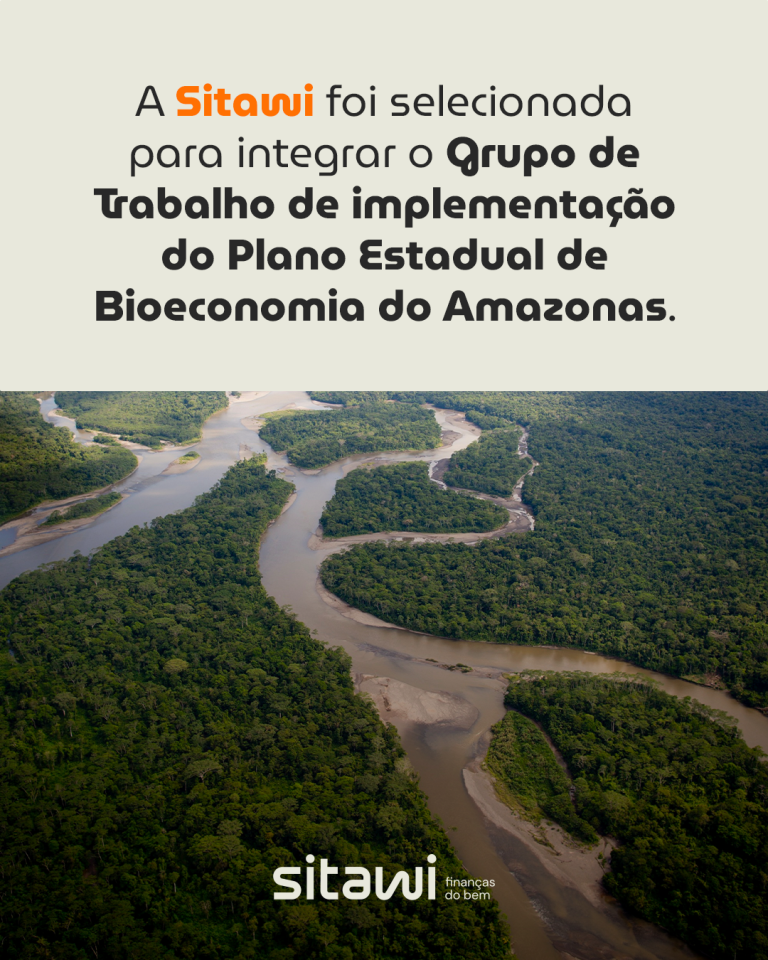
We live in a scenario marked by complex and urgent challenges, such as intensification of climate change, a loss of biodiversity and epidemics. For these and many other problems, the nature offers effective, economical and sustainable solutions.
Over billions of years, the nature has developed resilient mechanisms that can inspire human action. One example is mangroves: ecosystems that store large amounts of carbon, reduce the impacts of storms and provide shelter for countless species. And this is just one of many examples of the potential of mangroves nature-based solutions (NbS).
What are Nature-Based Solutions (NbS)?
To the Nature-Based Solutions are actions that protect, restore or manage sustainable way ecosystems, with the aim of face social challenges, environmental and economic. The concept was defined by IUCN (International Union for Conservation of Nature) as practices that promote benefits to human well-being and biodiversity in an effective and adaptive manner.
Instead of investing only in grey and artificial infrastructure, SbN propose solutions inspired by natural ecosystems, replacing polluting practices with sustainable alternatives and regenerative.
Why Solutions Are Nature-Based Studies Important?
In addition to being sustainable solutions, to the SbN offer measurable benefits:
- Building sustainable development: NBS directly address issues such as climate change, disaster risk reduction, food and water security, biodiversity loss and human health;
- Climate mitigation: according to the latest IPCC report, NBS are among the five most effective strategies to mitigate carbon emissions by 2030. Furthermore, it is estimated that one-third of the climate mitigation needed to achieve the Paris Agreement goals can be achieved through these solutions;
- Generate economic value: according to IUCN, healthy ecosystems can generate up to 170 billion dollars in benefits in combating climate change;
- Adapting cities to the climate crisis: projects such as rain gardens, linear parks, hillside restoration and urban agriculture make urban centers more resilient while generating social, environmental and economic gains;
- Reduce the risk of natural disasters: they are efficient in controlling floods, landslides and droughts.
How to implement Nature-Based Solutions?
To the SbN can be implemented in urban and rural areas, promoting climate resilience and sustainable development. See some examples:
- Restoration of native forests: restoring degraded areas with original vegetation helps with carbon sequestration, biodiversity conservation and climate regulation;
- Urban green infrastructure: green roofs, vegetated walls and permeable sidewalks improve urban drainage, reduce heat islands and improve air quality in cities;
- Ecological corridors and habitat connectivity: allow the safe movement of wildlife, promoting the conservation of biodiversity and the adaptation of ecosystems to climate change;
- Protection of springs and river basins: guarantees the supply of drinking water, regulates the flow of rivers and reduces the risk of water shortages;
- Revegetation of slopes and risk areas: prevents landslides and protects communities vulnerable to extreme weather events.

And in Brazil, how are Nature-Based Solutions doing?
With its immense biodiversity, Brazil has great potential to adopt SbN on a large scale. However, these solutions are not yet fully incorporated into public and private policies.
Among the main obstacles are the lack of incentives, the lack of technical training, the lack of knowledge about its benefits and the lack of financing.
Still, several initiatives have demonstrated the effectiveness of SbN in Brazilian cities. The survey carried out by WRI Brasil presents good examples:
Belo Horizonte (MG)
With over 60 planned rain gardens and urban drainage policies with permeable pavements, the city has tackled urban flooding with green infrastructure.
Niteroi (RJ)
The Orla Piratininga Alfredo Sirkis Park protects the ecosystems of the Piratininga Lagoon, improves water quality and integrates environmental education and leisure.
Fortaleza (CE)
The Rachel de Queiroz Linear Park connects dams and lagoons in a natural water management system. The NBS are part of the city's Municipal Climate Action Plan.
Sitawi’s role in advancing Nature-Based Solutions
THE Sitawi Finanças do Bem is an organization that accelerates the flow of capital for positive social and environmental impact. We act as a bridge between resources — philanthropic, public and private — and initiatives that regenerate ecosystems, promote climate adaptation and mitigation, and strengthen sustainable development.
In the context of nature-based solutions, Sitawi offers specialized services such as:
- Financial architecture of projects focused on biodiversity conservation and climate adaptation;
- Creation and management of conservation funds to protect natural areas and restore strategic biomes such as the Amazon, the Cerrado and the Atlantic Forest;
- Structuring payment mechanisms for environmental services (PES), which value nature’s contribution to human well-being and generate income for local communities;
- Management of philanthropic funds focused on environmental protection and tackling climate change.
We believe that the nature must be in the center of the economic decisions. That's why we support companies, governments, investors and civil society organizations to design and implement projects with nature-based solutions, with a focus on generating shared value and measurable impact.
Do you want to be part of the transformation? Sitawi can help your company or organization develop and finance projects with nature-based solutions in a strategic and efficient way. Get in touch with us!