Science has demonstrated, with increasing clarity, that loss of biodiversity and the climate change not only share common causes, but also if mutually reinforce. Despite this indisputable correlation, the formulation of public policies for the climate and the environment still tend to occur in separate spheres — which compromises the effectiveness of global responses to socio-environmental challenges.
Given the urgency of the climate and ecological crisis, it is essential integrate these two agendas. Understanding your synergies is the first step to accelerating sustainable solutions and promote the development based on ecosystem resilience.
Why biodiversity is essential to tackling climate change
THE biodiversity — the immense variety of life on Earth, from microorganisms to large ecosystems — is the foundation of the natural systems that sustain humanity. After 4.5 billion years of evolution, this natural heritage has been rapidly impacted by human action. And it is precisely on him that we depend to guarantee food safety, access to water, medicines, climate stability and economic growth.
According to the UN, the biodiversity represents “the most powerful natural defense against climate change”. This is due to the critical role of ecosystems as natural carbon sinks. Forests, oceans, soils, peatlands, mangroves and seagrasses absorb more than half of greenhouse gas emissions released into the atmosphere. Without this function, the effects of global warming would be even more severe.
THE nature offers what we call nature-based solutions — actions that take advantage of ecological processes to mitigate and adapt to climate change. According to the UN, peatlands – wetlands such as marshes and swamps –, for example, occupy only 3% of the Earth's surface, but store twice as much carbon as all the world's forests. Mangroves and seagrasses sequester carbon at rates up to four times higher than terrestrial forests.
But just as importantly, forests still cover more than 30% of the Earth, and protecting and restoring these ecosystems could provide up to a third of the emissions reductions needed over the next decade. But this capacity is under threat. Habitat destruction has transformed once-balanced ecosystems, such as the Amazon, from major carbon sinks into sources of emissions. Approximately 85% of the planet’s wetlands have already disappeared—further compromising natural climate balancing mechanisms.
Climate change: a threat to biodiversity
To the climate change They play an increasingly important role in decline in biodiversity. They altered marine, terrestrial, and freshwater ecosystems worldwide. They caused the loss of local species, increased the number of diseases, and triggered mass mortality of plants and animals, resulting in the first climate-driven extinctions.
The projections are alarming. According to the IPCC, by 2100 the Earth's temperature can rise up to 4 °C, which would result in the extinction of countless species, especially reptiles and amphibians. Among lizards alone, it is estimated that 39% of populations and 20% of species could disappear by 2080. Many species simply do not have enough time or adaptation mechanisms to survive rapid and intense climate change.
In addition to the impacts on ecosystems, the loss of biodiversity This poses direct risks to human health, as the fragmentation of natural habitats increases the chances of the emergence and spread of diseases. Degraded natural systems become less effective in providing essential services such as pollination, disease regulation, and the supply of water and food.

How to unite biodiversity and climate change?
To the climate change, a loss of biodiversity and the pollution They form what is called triple planetary crisis, interconnected that the world faces today. They need to be faced together if we are to move forward in Sustainable Development Goals and ensure a viable future on this planet.
Currently, global governance for climate and biodiversity is divided between two agreements: the United Nations Framework Convention on Climate Change (UNFCCC) and the Convention on Biological Diversity (CBD), both launched at ECO-92, in Rio de Janeiro. However, real progress depends on greater coordination between these conventions and their incorporation into economic and social development agendas.
In the short term, scale nature-based solutions It is an efficient, relatively low-cost strategy with co-benefits for communities and ecosystems. In the long term, it will be essential to transform economic models, reconnecting growth with care for the planet.
Biodiversity and climate change at COP 30
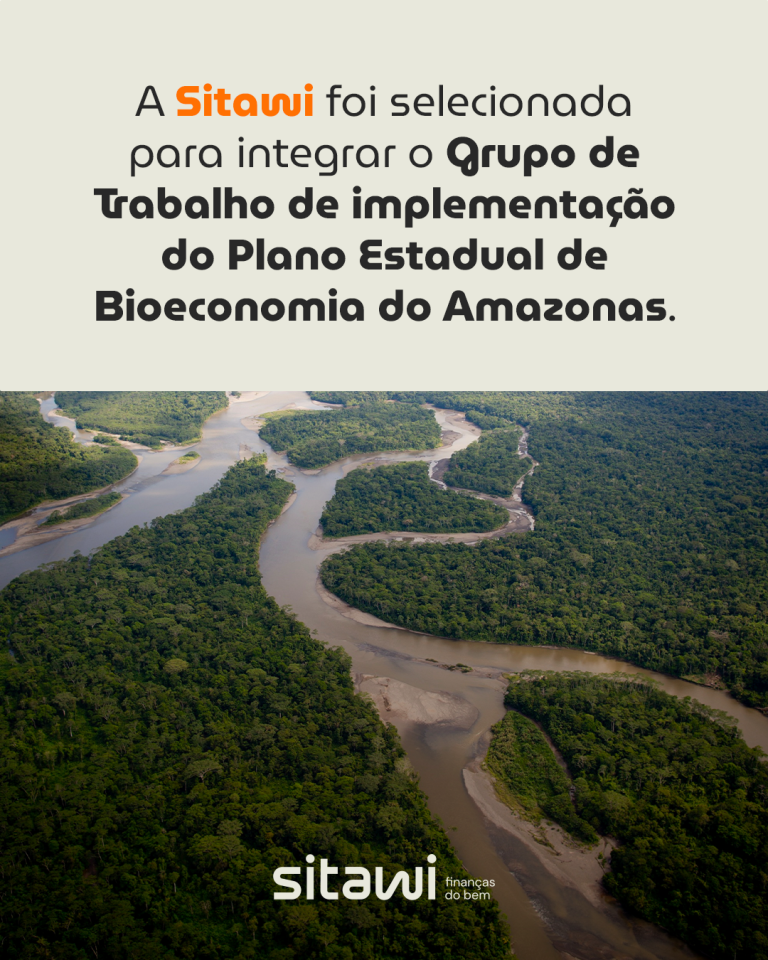
There is no better place in the world to see the climate and nature united than UN Climate Conference 2025 (COP30), to be held in Belém (PA). The summit will be historic as it will take place in the heart of the Amazon rainforest — one of the most important ecosystems for the The planet's climate balance. The Amazon stores billions of tons of carbon and is home to one of the world's greatest biodiversities, but it faces increasing degradation.
This symbolic scenario should motivate negotiators to putting nature at the center of the climate agenda. The COP30 This will be a unique opportunity to promote ambitious commitments that integrate biodiversity protection, climate justice and... climate finance Suitable for developing countries.
The conference will bring together world leaders, scientists, civil society, and organizations to discuss concrete actions in mitigating emissions, climate adaptation, renewable energy, conservation, and the enhancement of ecosystems. Brazil, the host country, has the chance to lead a new global narrative: one in which... Nature is not only a victim of the crisis, but a protagonist in the solution..
How to put it into practice?
Overcoming the challenges of climate crisis and gives loss of biodiversity It requires concrete actions that combine innovation, science, community engagement, and... effective financial mechanisms. To the nature-based solutions They must be at the heart of this transformation and, in order to scale up, they need... financing strategies that will accelerate its implementation.
THE Sitawi Finanças do Bem specializes in the development of integrated solutions, working on three strategic fronts:
- Financial solutions: we develop financial mechanisms adapted to each biome and need, combining public, private and/or philanthropic resources to generate a positive socio-environmental and financial impact;
- Studies and diagnoses: we conduct strategic studies and analyses in areas such as climate finance, sociobiodiversity production chains, biodiversity economics and ecosystem services, influencing public policies and systemic actions;
- Territorial development: we develop territorial programs that strengthen local governance, promote the bioeconomy and ecosystem conservation.
We believe that it is possible to align economic development, social justice and environmental conservation. If you or your organization share this vision, contact!