Last year, Sitawi Finanças do Bem participated in a monitoring expedition in the Middle Juruá region of the Amazon, as part of the follow-up of the projects of Amazon Forest, An initiative that promotes sustainable development, the appreciation of standing forests, and the strengthening of riverside communities in the Legal Amazon region.
The expedition aimed to evaluate partial results, understand the impacts generated in the territories, and deepen the dialogue with the beneficiaries of the projects, considering the logistical and social challenges of a region with difficult access and where travel is predominantly by river.
On-site monitoring and strengthening local governance
The trip included the participation of representatives from United Nations Development Programme (UNDP), of Ministry of Environment and Climate Change (MMA) and the implementing organizations. Over the course of approximately seven days, seven communities in the Middle Juruá territory were visited, allowing for a close and qualified evaluation of the supported initiatives.
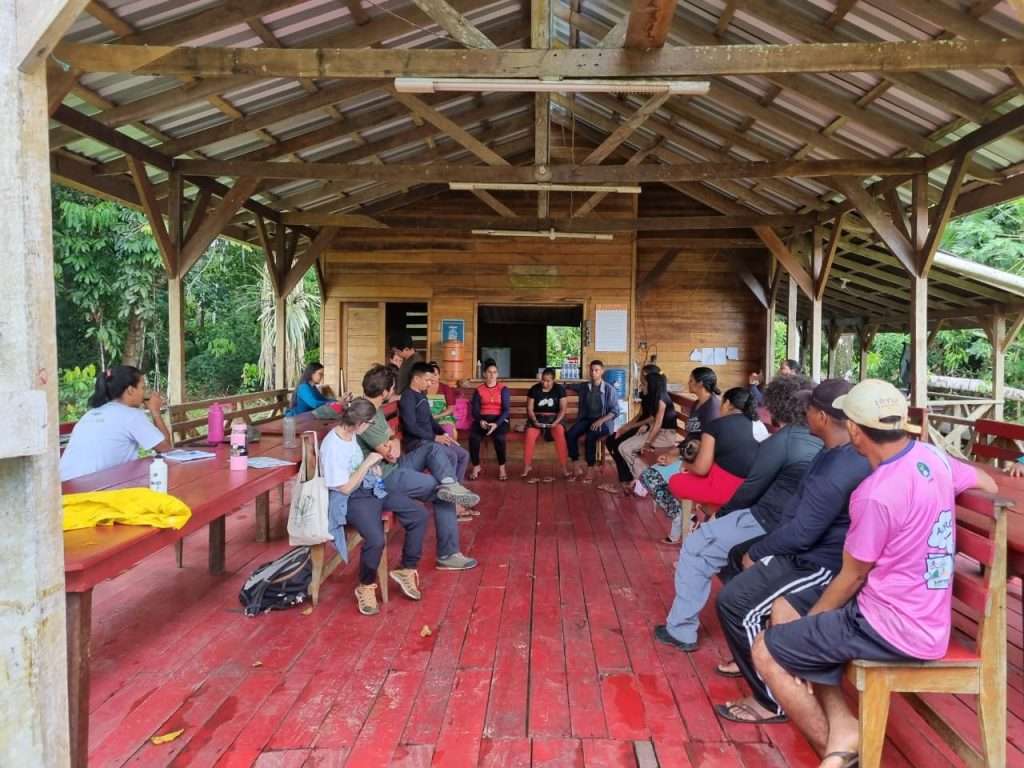
The project, carried out as part of the partnership between Sitawi and the Association of Families of the Rural Family Home of Carauari (ACFR), included a visit to the Campina community, where the core of the [unclear] is located. Rural Family School. The initiative strengthens the training of young people from riverside communities and promotes sustainable production chains, connecting education, income generation, and environmental conservation.
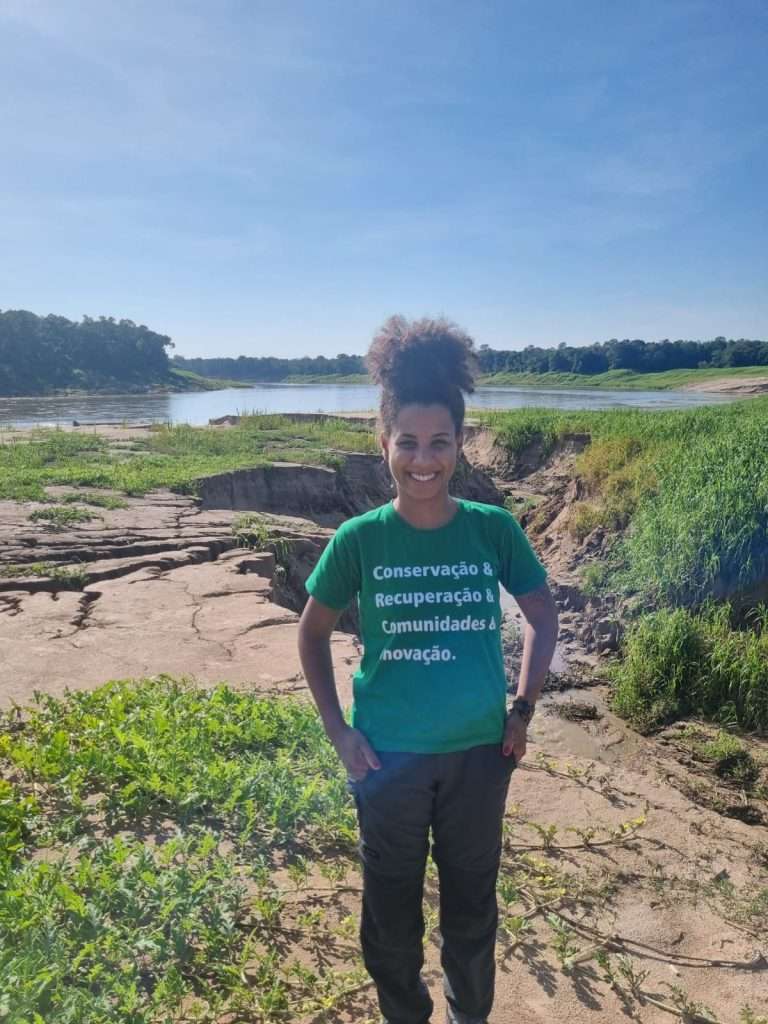
“Participating in this expedition, as the focal point of the project, was very meaningful to me. Being on the ground helped me to see firsthand the real logistics experienced by the beneficiaries and the scale of the challenges they face. Being with the funders for this experience is also essential, so that they understand, in practice, how much effort, adaptation, and presence each advancement requires.”, "Ana Anacleto, Conservation and Climate Finance Analyst at Sitawi, points out.".
Bioeconomy, meliponiculture and community leadership
The expedition also included visits to the communities of São Raimundo and Bauana, where meliponaries have been implemented, strengthening the honey production chain and the local socio-bioeconomy. During the visit, the team witnessed firsthand the work of Antônio Raimundo, known as Di Açúca, a community leader and facilitator of meliponiculture exchange programs. He highlighted the project's impacts:
“I see this project in the reserve as an incentive for family income and very important for environmental issues. The bee is a small animal that is very important to nature. Many communities now want to raise bees, and that is very significant,” he emphasizes.
Strengthening local youth is also one of the pillars of the initiative. Kailane Araújo, a participant in a meliponiculture exchange program, shared her experience:
"I came to do an exchange program about bees and had no idea how important this chain is. It's been an incredible experience, and I'll definitely take this learning with me for life."
Sitawi's role in managing territorial projects.
Sitawi Finanças do Bem works in the development and management of Territorial Programs and Projects, always in conjunction with local communities. Its work prioritizes strengthening local governance, promoting the development of socio-biodiversity production chains and community-based socio-bioeconomy businesses, respecting the specificities of each territory.
About the project
In 2024, Sitawi was selected after an extensive process of Amazon Forest, Among various organizations in Brazil, the initiative aims to carry out actions in partnership with community-based organizations in the states of the Legal Amazon. The initiative is conducted by the United Nations Development Programme (UNDP) and the Ministry of Environment and Climate Change (MMA), with support from the Green Climate Fund (GCF).
Among the selected projects is “"Agroecological practices and entrepreneurship for young riverside dwellers at the Campina Rural Family School"”, led by the Association of Families of the Rural Family Home of Carauari (ACFR). The initiative strengthens the training of young leaders in the region, boosting sustainable production chains such as rubber, pirarucu (arapaima), seedling nurseries and meliponiculture (beekeeping with stingless bees), always focusing on valuing the standing forest and the local economy.
To learn more about the project, access the Results Report of the Middle Juruá Territory Program: Results Report for the Middle Juruá Territory Program (2024-2025) – Sitawi