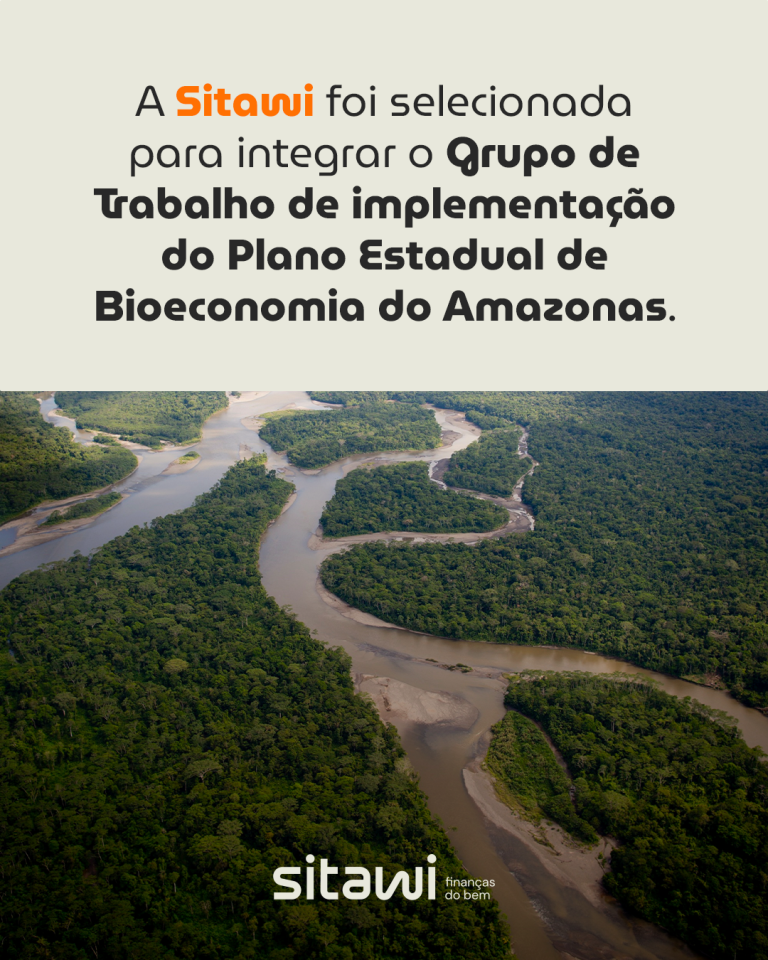
Açaí, chestnuts, cocoa, pirarucu, rubber… there are so many products that we consume that come from forests, some of which are only found there. These products are important not only for our consumption, but also for sustaining our health. indigenous peoples and local communities, whose subsistence depends mainly on extractivism and sustainable management. These are the products of sociobiodiversity Amazonian.
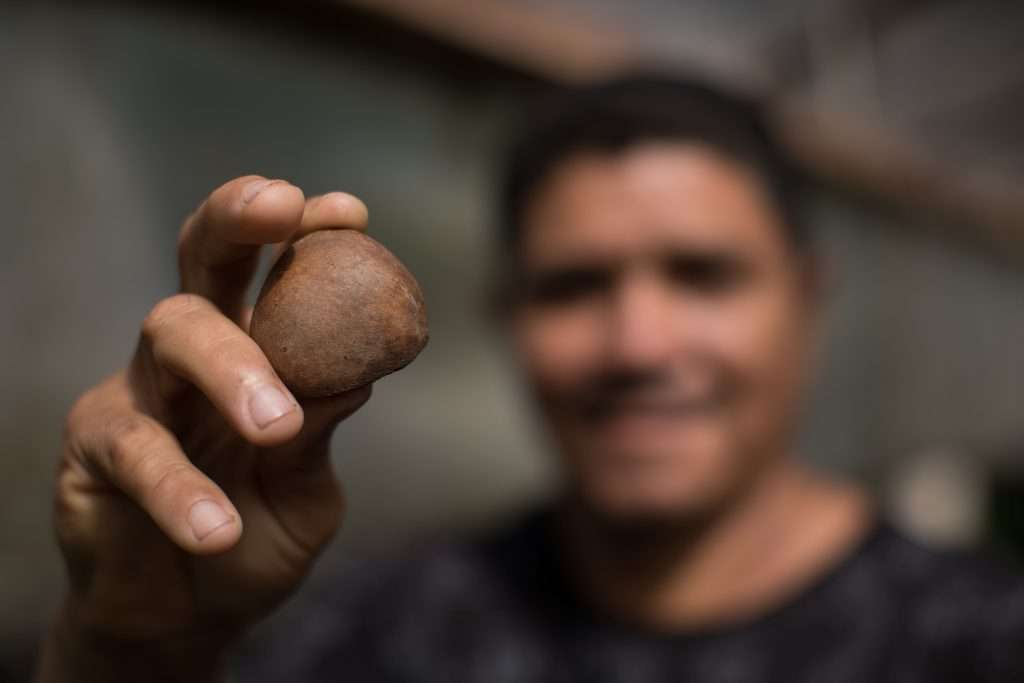
What is sociobiodiversity?
THE sociobiodiversity can be defined as the interconnection between the biological diversity (biodiversity) and the diversity of sociocultural systems, based on knowledge of the indigenous peoples, of local communities and family farmers and in the valorization of ecological processes.
You sociobiodiversity products are fundamental for strategies of conservation and restoration of ecosystems and biodiversity, aligned with the income generation and food safety of people at local and regional level.
Despite this, these products often do not receive due recognition for their significant economic, social and environmental contributions. Their true value is often underestimated or neglected, resulting in commercial and political practices that do not reflect their true importance.
Valuing the standing forest
Currently, the pricing of sociobiodiversity production chains is based on traditional economic indicators and metrics, such as prices, costs and profits, which provides a limited view of value and costs of these sectors. This is because they fail to adequately cover the positive environmental, social and health impacts.
However, considering that the sociobiodiversity products are based on the standing forest and that these play a crucial role in mitigating and adapting to climate change, in addition to other ecosystem services, the value of this chain should be considered even greater.
The management of sociobiodiversity products It develops from strong cultural and customary ties, and integrates a deep system of knowledge and wisdom passed down from generation to generation by indigenous peoples and local communities. Recognizing, valuing and incorporating this dimension is essential to unlocking new financial resources for the Amazon, which can be directed towards significant social improvements, including access to health, education, basic sanitation, electricity, internet and other essential resources.
To achieve a fair price For these products, it is essential that the market pays values that reflect their economic, social and environmental contributions. This can be achieved through regulations, economic incentives and financial instruments that promote adequate remuneration, encouraging the adoption of fairer and more sustainable policies and actions.

Joining forces in favor of sociobiodiversity
It is considered that, in 2019, spending on biodiversity conservation were between US$124 billion and US$143 billion. However, to reverse the decline in biodiversity by 2030, we need to spend between US$$722 and US$$967 billion per yearThis means that the difference in funding needed to protect biodiversity is between US$598 billion and US$824 billion per year.
To bridge this gap, it is necessary not only increase the volume of financial resources for nature, but also unlock and diversify other capital flows for biodiversity.
See examples:
- Associated public policies: Several public policies can be implemented to stimulate sociobiodiversity production chains and promote environmental conservation. National governments, through their budget allocations, represent the largest stable source of financing for nature. Therefore, it is crucial to direct financing, whether directly or indirectly, from national public budgets, through fiscal or regulatory instruments. Some examples of these policies are the Minimum Price Guarantee Policy for sociobiodiversity products (PGPMBio), the Amazon Fund and the Climate Fund.
- Private Features: Although governments already play and should continue to play a leading role, they alone cannot provide the funding needed to protect global biodiversity. Nor will philanthropic resources be sufficient to achieve this. For this reason, the private sector and markets are often presented as an opportunity and hope for nature conservation, since in many cases their financial resources far exceed those of governments and philanthropy. Blended Finance could be an alternative in this sense.
- Philanthropy: This could be an effective strategy to increase financial resources for the Amazon bioeconomy. Philanthropic capital can be used to act as initial venture capital or as a catalyst to attract private investment. Fostering sociobiodiversity chains can make them more structured and competitive, in addition to promoting new financing models for the region.
Towards fair valuation
Local associations, cooperatives and organizations of Amazon are primarily responsible for leading the discussion on the importance of valuing sociobiodiversity production chains, as well as those that can guarantee a better distribution of resources and fairer remuneration for people.
To contribute to this transformation and achieve a effective financing for biodiversity, it is necessary not only increase the volume of financial resources for nature, but also unlock and diversify other capital flows. Therefore, the public, private and philanthropic sectors must co-build shared solutions from the perspective of closing the current gap in financing for biodiversity.
Do you want to understand how sociobiodiversity products should be valued? Download now our free study on the valuation of the sustainable management chain of pirarucu in the Amazon and discover how we can promote a fair and sustainable appreciation of people and nature.