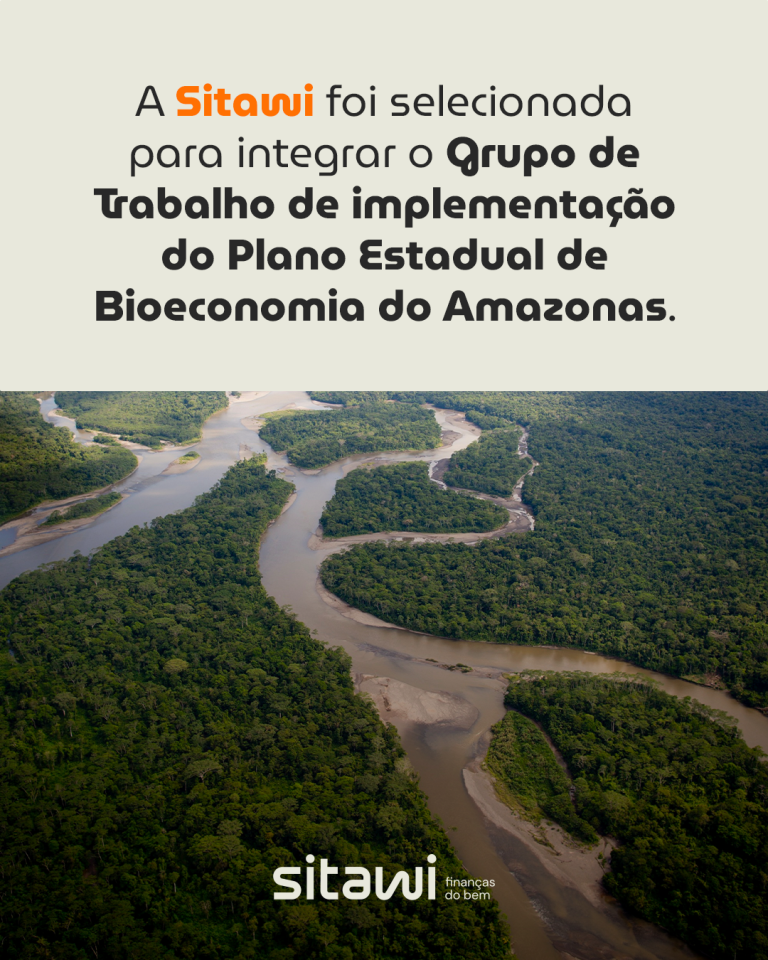
The Amazon is the greatest natural heritage on the planet. But for it to remain alive, it is necessary to develop new forms of financing that recognize its value, strengthen the communities that depend on it, and support its conservation. climate finance It is still insufficient, scattered, and difficult to access.

Investors see high risk, low direct financial return, or lack of scale.

Traditional financial instruments are not suitable for complex socio-environmental contexts.

Often, resources do not reach local solutions effectively.

Given this scenario, the need arises for new financial architectures capable of intelligently connecting capital and impact.
What is Blended Finance?
The Blended Finance, Hybrid Finance, or philanthropic finance, is one such solution. This strategy combines philanthropic, public, and private capital to broaden the reach of investments, reduce risks, and attract new investors. Each actor offers the type of capital they have available and obtains what they consider relevant—whether it's impact, financial return, or both.
According to Convergence Finance, According to a global reference network on the subject, this type of operation contributes to the UN SDGs, accommodates different expectations of return, and uses public and philanthropic capital as a catalyst. Among the most common structures are:
concessional capital
Public or philanthropic funds enter the market on below-market terms, reducing the total cost of capital.
Technical assistance
Donated funds support management and strengthen the socio-environmental impact.
Guarantees and insurance
Public or philanthropic investors offer additional protection, increasing confidence and security.
Donations for project preparation
They make projects viable even in their early stages, increasing their chances of success.
Private investment
Companies and funds invest to achieve financial returns with socio-environmental results.
US$ 272 billion
funds raised in blended finance operations for sustainable development*
*Until February 2026 (Convergene Finance)
Why is this mechanism essential in the Amazon?
The Amazon is a strategic territory, but also a challenging one. Many impact businesses face barriers that traditional financial mechanisms cannot overcome.
- Difficulty accessing credit: banks consider Amazonian businesses high-risk, mainly due to a lack of collateral and a lack of understanding of the region's specific characteristics.
- Need for patient capital: many models depend on the productive cycles of socio-biodiversity and require timelines compatible with these rhythms.
This is where Blended Finance makes a difference:
- It reduces risks and makes credit available on fairer terms;
- It increases the confidence of private investors;
- Unlocks capital for businesses that strengthen cocoa, açaí, and Brazil nut supply chains;
- It creates scale for solutions that combine environmental conservation and economic development.
How Sitawi operates
Sitawi Finanças do Bem is a pioneer in social finance in Brazil. Since 2008, we have been developing financial solutions that transform resources into positive impact.
In 2019, with support from the Sabin Institute, we created the Crowdlending Platform for Positive Impact, We democratize impact investing, allowing anyone to invest from R$$ 10 in socio-environmental businesses. We structure blended finance operations that reduce risks, organize capital flow, and ensure that the investment reaches the end user fairly and with proven impact.
Companies
Foundations
Individuals
Sitawi
Communities
Amazonian businesses
cooperatives
Our history and partners
The model has already received support from strategic partners who have helped structure blended finance rounds and expand entrepreneurs' access to credit.

For every R$ 1 invested in the Platform, the Vale Fund contributed another R$ 1 at zero interest, mobilizing R$ 4.9 million.

It provided concessional resources that enabled fundraising rounds for Amazonian businesses.
The Sitawi Platform in numbers in the Amazon.
businesses captured
mobilized
preserved
How does investment work in practice?

Sitawi structure
Blended finance + risk management analytics.

Platform opens fundraising
Private investors are starting to invest.

Businesses receive credit.
With technical support from Sitawi.

Follow-up
Sitawi accompanies the organization during the payment period.

Growth
Organizations mature and diversify their revenue streams.

Positive Impact
Income, dignity, and standing forest.
Investment risk: challenges and lessons learned
It's true: reconciling socio-environmental impact with financial return is a challenge. In regions like the Amazon, the risk of default exists—especially because the local economy depends directly on the climate and biodiversity. Even so, our experience demonstrates that this risk can be managed effectively thanks to our approach... empathic capital, which guides our decisions and allows us to balance financial flexibility with social and environmental commitment.
Businesses in the Amazon have a consistent history of payments.
Even with a case of default While the remaining businesses are isolated, they continue to perform well financially and in terms of impact.
This balance is possible because Sitawi combines rigorous business analysis, portfolio diversification, continuous pre- and post-fundraising monitoring, and mitigation mechanisms such as the Solidarity Fund — which uses philanthropic resources to offer credit on more accessible terms and protect the impact at the end user.
Forest stories: impact cases
Tocantinópolis – TOTOBASA
Investment: 2021 and 2023
Bioindustry that produces and exports activated carbon made from babassu coconut.
R$ +1 mi captured on the Platform
+1.500 agro-extractive families
120 thousand hectares of managed forests

AAFAU
Investment: 2024
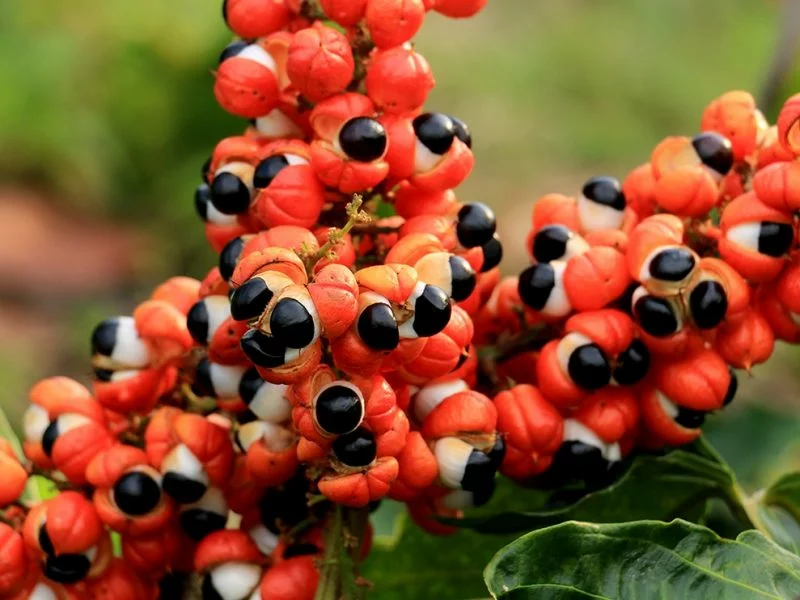
Sustainable and organic production of guarana, valuing ancestral techniques of traditional peoples.R$ +580 thousand captured on the Platform
85 Associates, 41% women
250 families impacted
13 indigenous and riverside communities
Belterra Agroforestry
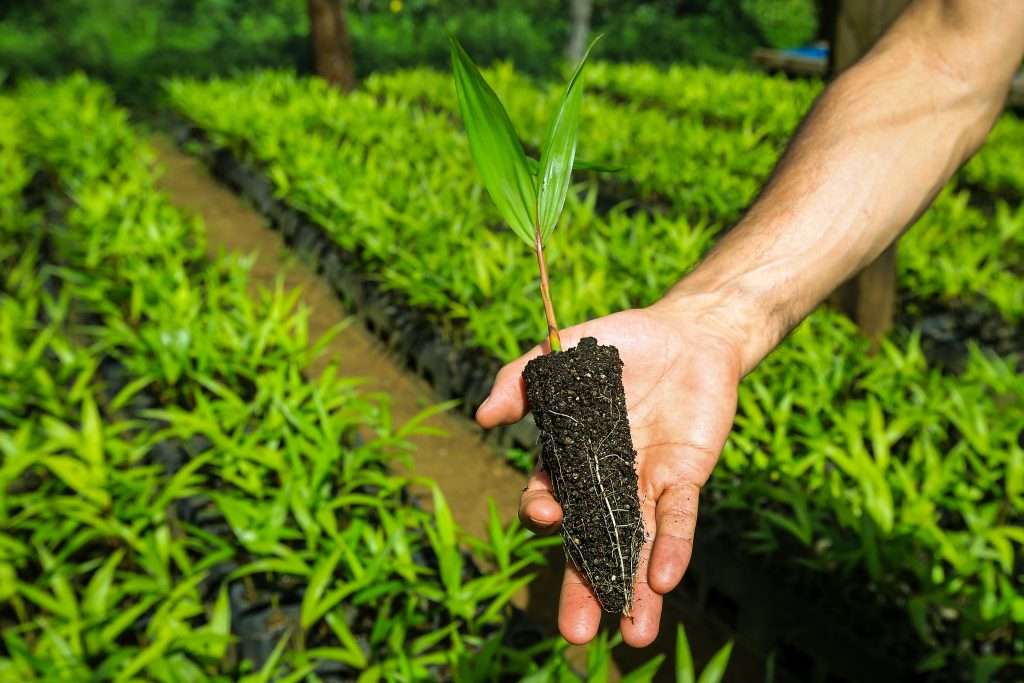
Promoting agroforestry systems in partnership with small and medium-sized farms, restoring degraded areas.
R$ +880 thousand captured on the Platform
+78 rural partners
+5 thousand ha preserved
+490 job positions
Now it's your turn to make a difference!
Become part of this network of capital and impact in the Amazon.