To the climate change These are a reality that affects millions of people worldwide, especially the most vulnerable populations. With the increasing frequency and intensity of extreme weather phenomena, As events like floods, droughts, heat waves, and hurricanes increase material damage and population displacements become more frequent.
Given this scenario, two concepts have become central to global discussions about climate: climate mitigation and adaptation. Understanding the difference between them is the first step to acting effectively.
What is climate mitigation?
When we talk about climate mitigation, We are talking about cutting greenhouse gas (GHG) emissions. Mitigation refers to any action taken by governments, companies, or individuals to reduce or prevent these emissions, or to improve what are called carbon sinks: natural or artificial mechanisms that remove CO₂ from the atmosphere.
A simple way to understand it: Mitigation is like slamming on the brakes.. It is the strategy of slowing down climate change before its effects become irreversible.
Mitigation vs. Adaptation: What's the difference?
Although complementary, mitigation and adaptation They have distinct functions:
- Mitigation combats the causes: reduces emissions and minimizes future impacts of climate change;
- Adaptation It deals with the consequences: it prepares societies and ecosystems for the damage that is already happening, such as cities that are more resilient to floods or agricultural systems that are resistant to droughts.
In practice, the less effective the strategies are mitigation, the greater the need for adaptation. That's why, The two approaches need to move forward together..
Why does the 1.5°C target matter?
In 2015, the Paris Agreement established as its central objective to limit the increase in average global temperature to well below 2°C above pre-industrial levels. — with efforts to not exceed 1.5°C. This threshold is especially important for vulnerable communities, which are already experiencing the most severe effects of global warming.
Meeting this goal requires a 45% reduction in GHG emissions by 2030 and achieve net-zero emissions by mid-century. This is a profound and urgent structural transformation.
Key climate mitigation strategies
THE reduction of greenhouse gases It can be achieved through multiple approaches:
Energy transition: Abandoning fossil fuels and moving towards renewable sources such as solar, wind, and geothermal energy is the central pillar of... mitigation. In parallel, improving energy efficiency in buildings, industries, and transportation systems significantly reduces energy demand.;
Sustainable mobility: Encouraging public transportation, expanding urban bike lanes, and replacing short-haul flights with trains are measures that directly contribute to... emissions reduction in the transportation sector;
Agriculture and land use: Certain agricultural practices release methane and nitrous oxide in large quantities. The adoption of regenerative agriculture, By improving the soil, reducing livestock emissions, and using cover crops, emissions are reduced and the sector's resilience is increased;
Protection and restoration of ecosystems: Forests, mangroves, peatlands, and wetlands function as natural carbon sinks, absorbing CO₂ and sustaining biodiversity. Combating deforestation and restoring degraded areas are irreplaceable actions within any serious strategy. climate mitigation;
Carbon policies and pricing: economic instruments such as the taxation of fossil fuels, carbon credit markets And the emission limits by sector create real incentives for companies that pollute less to be more competitive, making decarbonization financially attractive.
How to put climate mitigation projects into practice.
Knowing the strategies is essential, but Transforming them into concrete projects requires technical expertise, financial structuring, and solid governance.. This is where many organizations and companies encounter difficulties: the gap between the intention to reduce emissions and the actual execution of a mitigation project can be large.
THE Sitawi Finanças do Bem It operates precisely in this gap. With expertise in finance for positive impact and private social investment, Sitawi supports organizations and companies that wish to structure... climate mitigation projects with technical rigor and financial viability, whether through nature-based solutions, such as forest restoration and deforestation reduction, bioeconomy or other instruments of climate finance.
If your organization wants to build a structured climate mitigation strategy with measurable impact, Sitawi can be your partner on this path.
Flora Fund: an example of climate mitigation funded at scale.
One example of how climate mitigation can be scaled up is... Fundo Flora, initiative of WRI Brazil with financial management of Sitawi Finances for Good.
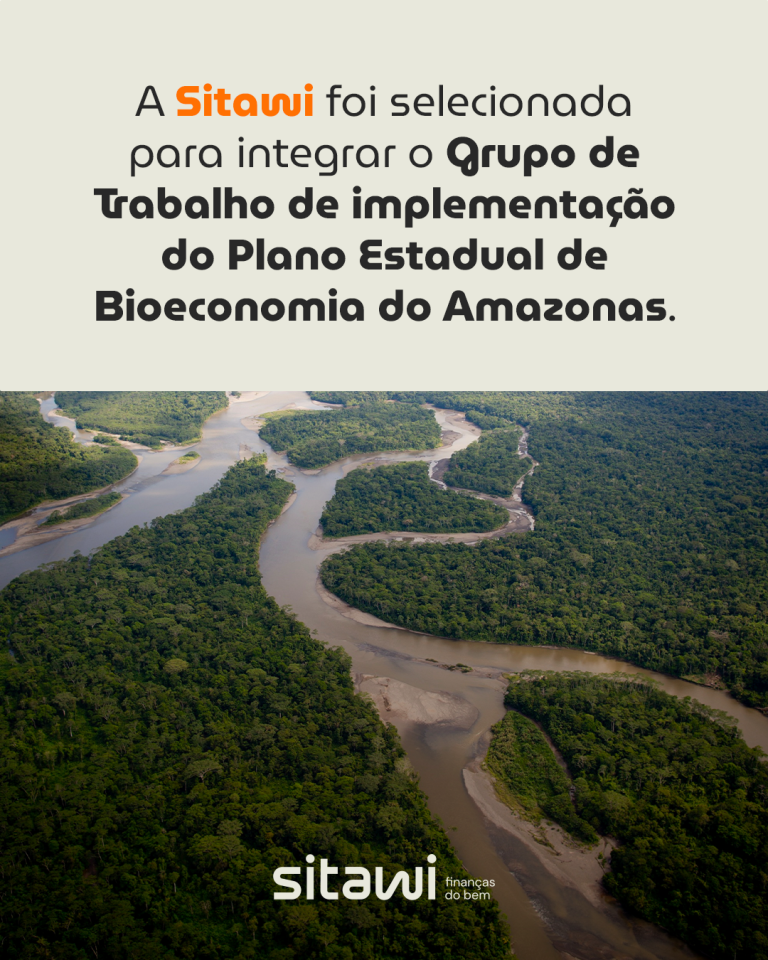
The fund was created to support projects of forest restoration and bioeconomy in the Amazon, contributing to carbon capture, biodiversity conservation and local economic development. Your proposal is cConnecting financial resources to organizations and ventures that work directly in the recovery of degraded areas..
For this, the Fundo Flora uses mechanisms of blended finance, Combining philanthropic, public, and private resources to broaden the reach of investments, the expectation is to support dozens of organizations and restore thousands of hectares in the Amazon region in the coming years.
The case demonstrates how Financial solutions can help transform climate goals into concrete actions., directing resources towards initiatives capable of generating long-term environmental, social, and economic benefits.