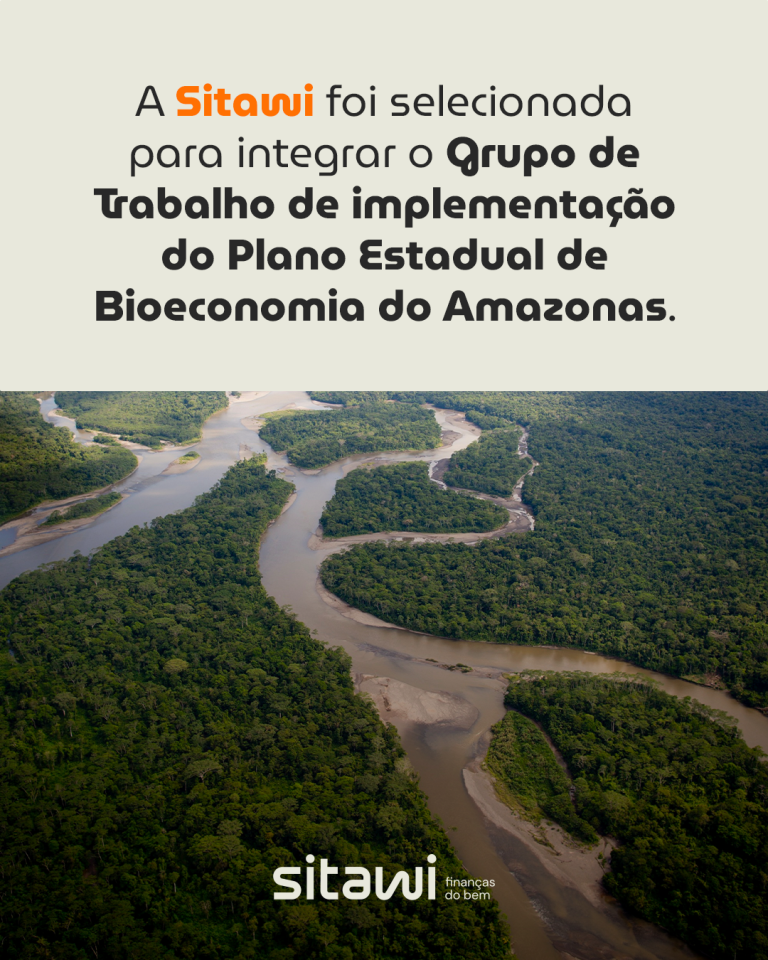
Sustainable development is a model of progress that integrates economic, social, and environmental dimensions in a balanced way, meeting the needs of the present without compromising the possibilities of future generations. In essence, it is about reconciling growth and conservation, generating value in the present while preserving what is essential for the future.
In a scenario marked by climate crises, social inequalities and depletion of natural resources, the sustainable development It's no longer an alternative, it's become an urgent matter. It's a new paradigm that guides individuals, governments, and companies to review their practices, strategies, and responsibilities.
The three pillars of sustainable development
For this model to work in practice, it relies on three fundamental pillars:
- Environmental sustainability: refers to the preservation and rational use of natural resources, promoting conservation actions and mitigation of environmental impacts;
- Economic sustainability: concerns the generation of wealth and innovation responsibly, valuing efficient, ethical and circular production models;
- Social sustainability: prioritizes equity, inclusion and social justice, guaranteeing access to basic rights, reducing inequalities and collective well-being.
These dimensions are interconnectedWithout social justice, there is no lasting economic prosperity. Without respect for the environment, there is no foundation for the future. The true sustainable development is only achieved when these three pillars move forward together.
The Sustainable Development Goals and the 2030 Agenda
In 2015, the United Nations (UN) launched the Agenda 2030, a global action plan that proposes 17 Sustainable Development Goals (SDGs) and 169 goals. The proposal is clear: to mobilize governments, businesses, and civil society around concrete commitments to eradicate poverty, protect the planet, and ensure a dignified life for all.
Among the SDGs, the following stand out: quality education, gender equality, decent work, innovation, climate action, ecosystem protection, responsible consumption and partnerships to implement the objectives.
Achieving these milestones requires collaborative efforts, political will, strategic investments and the engagement of private sector and public.
What to do to achieve sustainable development?
The construction of a model of sustainable development requires the engagement of multiple actors and coordinated actions in different spheres.
1. Individual and collective efforts
Each person can contribute through more conscious everyday choices—responsible consumption, waste reduction, recycling, efficient use of energy and water, among other attitudes.
However, achieving scale depends on structured actions, consistent public policies and long-term planning.
2. Public authority action
Governments play a crucial role in creating standards, monitoring, and implementing programs that protect the environment, combat poverty, promote education, and guarantee rights. State planning and the adoption of SDG-based targets are essential tools.
3. Contribution from international funders
The sustainable development It is a collective and interdependent effort, and global challenges demand cooperation across borders. In this scenario, the international financiers, such as development agencies, multilateral banks, global philanthropic foundations and international organizations, play an essential role.
These actors provide fundamental financial resources to expand the scale and effectiveness of socio-environmental impact projects, especially in countries of the Global South. In addition to direct investment in local initiatives, they promote:
- Knowledge transfer and innovation, through technical partnerships;
- Institutional training, strengthening civil society organizations and public bodies;
- Promoting systemic solutions, focusing on climate justice, territorial resilience, biodiversity and sustainable development;
- Articulation between public, private and community actors, generating alliances and replicable models.
In Brazil, these international resources have been crucial for the conservation of strategic biomes and the strengthening of... bioeconomy, combating inequalities and developing sustainable production chains.
Count on technical and financial structures, such as those offered by Sitawi, is crucial for the good management of these resources. Organizations capable of guaranteeing compliance, traceability and impact measurement become ideal partners for international funders and enable the efficient and transparent application of resources in the territories.
4. Company commitment
The private sector must take over. responsibility at every stage of the value chain, from supplier selection to the final product. This includes reducing emissions, using resources efficiently, supporting social initiatives, and adopting transparent and ethical governance.
The role of companies in sustainable development
Companies have a strategic role in advancing the sustainable developmentThey are protagonists in production chains, drive economies, and influence consumer behavior.
By aligning your strategies with the principles ESG, organizations promote economic growth combined with environmental and social responsibility. This is reflected in:
- Brand strengthening;
- Attracting investments and talent;
- Reduction of environmental risks and liabilities;
- Greater longevity and competitiveness.
In an increasingly demanding and conscious world, being sustainable is a prerequisite for thriving.
How to structure business actions to promote sustainable development?
Despite the desire to act, many companies face practical obstacles: create your own institute It requires time, resources, legal, accounting, and tax structure, and a dedicated team, which can make the process expensive and complex.
Thinking about it, the Sitawi Finanças do Bem developed an agile and secure solution: the Institute-as-a-Service.
What is Institute-as-a-Service?
- Accounting, tax and administrative management;
- Hiring partners and suppliers;
- Account and payment management;
- Support for purchases, events and technical missions;
- Robust governance and guaranteed compliance;
- Impact reports and accountability;
- Independent external audit;
- Saving time and resources.
Furthermore, companies taxed by Real Profit have a strategic opportunity: can allocate up to 2% of operating profit to positive impact projects and deduct this amount from Income Tax, according to Law 9.249/95 – as long as the donation is made to an OSCIP, as is the case with Sitawi.
By choosing this destination, the company transforms an amount that would already be paid as tax into a concrete action within its ESG strategy. With autonomy, chooses where, how and with what impact to apply these resources, financing climate and socio-environmental initiatives aligned with its brand identity. All this with guaranteed traceability, transparency and impact measurement.
It is a smart way to combine tax efficiency and sustainable development, without increasing the ESG budget.
Sustainable development case studies with Sitawi management.
- Cielo Social Impact Fund: aims to promote the raising and application of financial resources in actions and projects that contribute to environmental conservation and the construction of a more just society. The initiative also provides for action in potential emergency situations and critical events. Thus, the resources will be used as a reserve for emergency response, where a rapid response is required to mitigate negative impacts on customers and Cielo Team members.
- Google Black Founders Fund: The initiative aims to strengthen Afro-entrepreneurship in Brazil by allocating Google resources to startups led by Black founders, boosting diversity and inclusion in the innovation and entrepreneurship ecosystem.
Frequently asked questions about sustainable development
It is a model of progress that reconciles economic growth, social equity, and environmental protection, ensuring that the needs of the present are met without compromising future generations.
Environmental sustainability, economic sustainability, and social sustainability. These pillars are interdependent; none can stand in isolation.
The Sustainable Development Goals are 17 global targets defined by the UN in the 2030 Agenda, which guide governments, businesses, and civil society organizations towards a more just, inclusive, and resilient development model.
ESG (Environmental, Social, and Governance) is the set of criteria that measures companies' performance in the environmental, social, and governance dimensions. In practice, it is the main language through which the private sector translates the principles of sustainable development into strategy and management.
Through structures like Sitawi's Institute-as-a-Service, which offers all the management, compliance, and impact measurement infrastructure so that companies can execute their ESG strategy efficiently and without the complexity of maintaining their own structure.