Amanda Barreto and Camila Barbosa
Credits: HD Media Productions/WRI Brazil
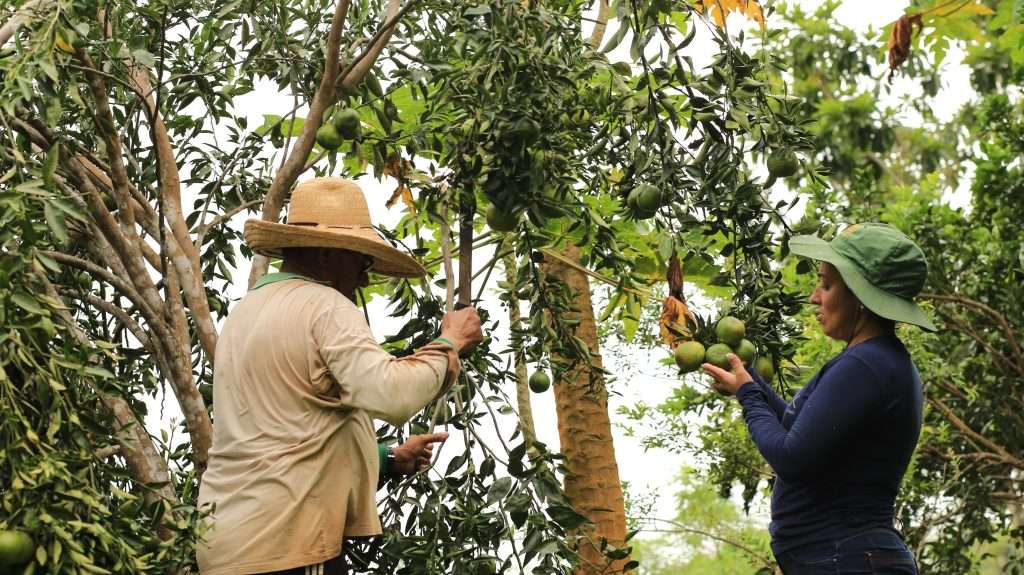
For entrepreneurs like Gilberto Nobumasa and community leaders like Giselda Pereira, restoring degraded areas in the Amazon is more than just preserving nature; it's about protecting the way of life and generating income for those who live there.
Gilberto, founder of the company FortParaOil, engages family farmers and quilombola communities to add value to Amazonian oils and butters. Giselda, a local leader of the Landless Workers' Movement in Pará, coordinates various settlements to restore the forest and produce food sustainably.
Connecting organizations like these, rooted in the territory, to funding is essential for a just transition in the Amazon that benefits people, nature, and the climate.
Therefore the Fundo Flora, conceived by WRI Brazil and with financial management by Sitawi Finanças do Bem, It was created with the mission of directing philanthropic, public, and private capital to organizations that are already making restoration happen in the region. And the work is already underway.
The Flora Fund announced the first projects selected to receive funding in Pará, consolidating a new chapter for financing restoration in the Amazon.
Credits: Julio Glatt/VerdeNovo
Connecting the land, life, and the economy.
Inspired by the partnership TerraFund In Africa, the Flora Fund adopts an innovative model for selecting, financing, and monitoring restoration projects. Through grants and concessional loans, the fund leverages the implementation capacity of local businesses and organizations, filling the funding gap that still plagues the sector.
In this first phase, R$18 million will be invested, supporting 10 projects impacting 26 organizations across Pará., such as cooperatives and civil society organizations, as well as small and medium-sized enterprises in the restaurant supply chain.
The projects combine ecological and productive restoration, creating jobs and strengthening the Amazonian bioeconomy.
- Restoring ecosystems: Through techniques such as assisted natural regeneration (ANR), agroforestry systems, and no-till farming, the projects will revitalize degraded areas, improving soil quality, increasing biodiversity, and enhancing forest cover.
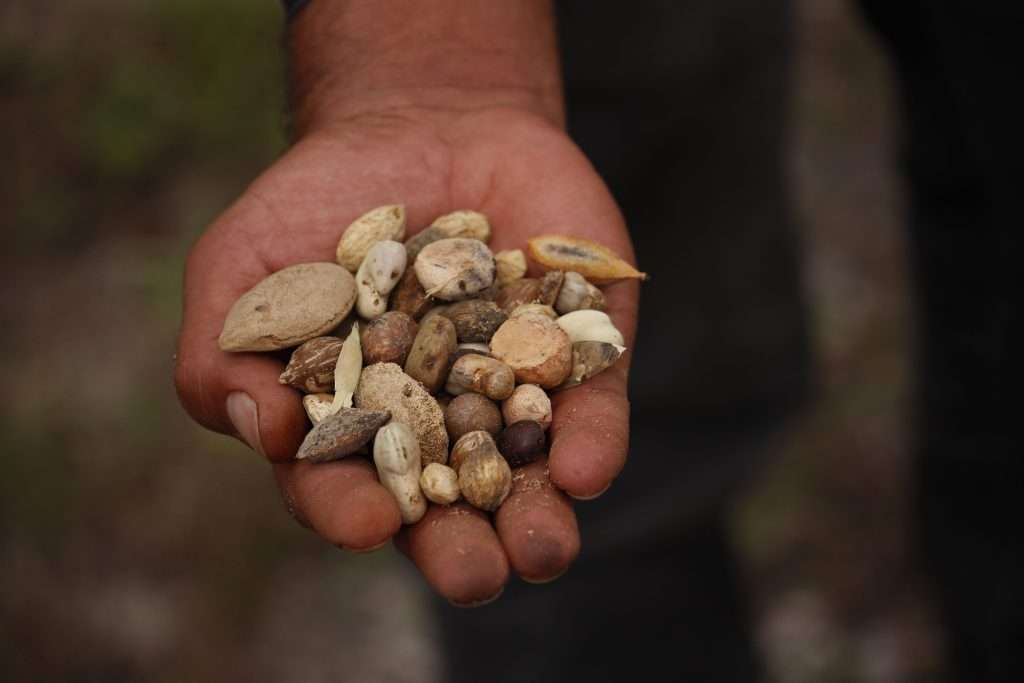
- Strengthening the bioeconomy and the restoration chainThrough processing, aggregating local production, and expanding nurseries and sustainable collection areas, the projects directly impact the seed and seedling supply chain, as well as the supply chains for açaí, cocoa, cupuaçu, Brazil nuts, copaiba, andiroba, among others.
- Generating a positive impact on people: In addition to promoting environmental restoration, the projects benefit local communities by creating new job opportunities and improving food security, access to training, markets, better ecosystem services, and more.
Monitoring each project, carried out through a reporting and verification system developed and tested by WRI, ensures follow-up and transparency through field data and remote sensing. This approach brings credibility to the restoration sector and continuous learning for organizations, increasing their capacity for future implementation and fundraising.
The announcement of the first selected organizations marks the consolidation of a model that transforms technical recommendations into concrete action on the ground. By strengthening local organizations, the Flora Fund contributes to accelerating landscape restoration and consolidating the Amazon as a protagonist of a green, inclusive, and resilient economy.
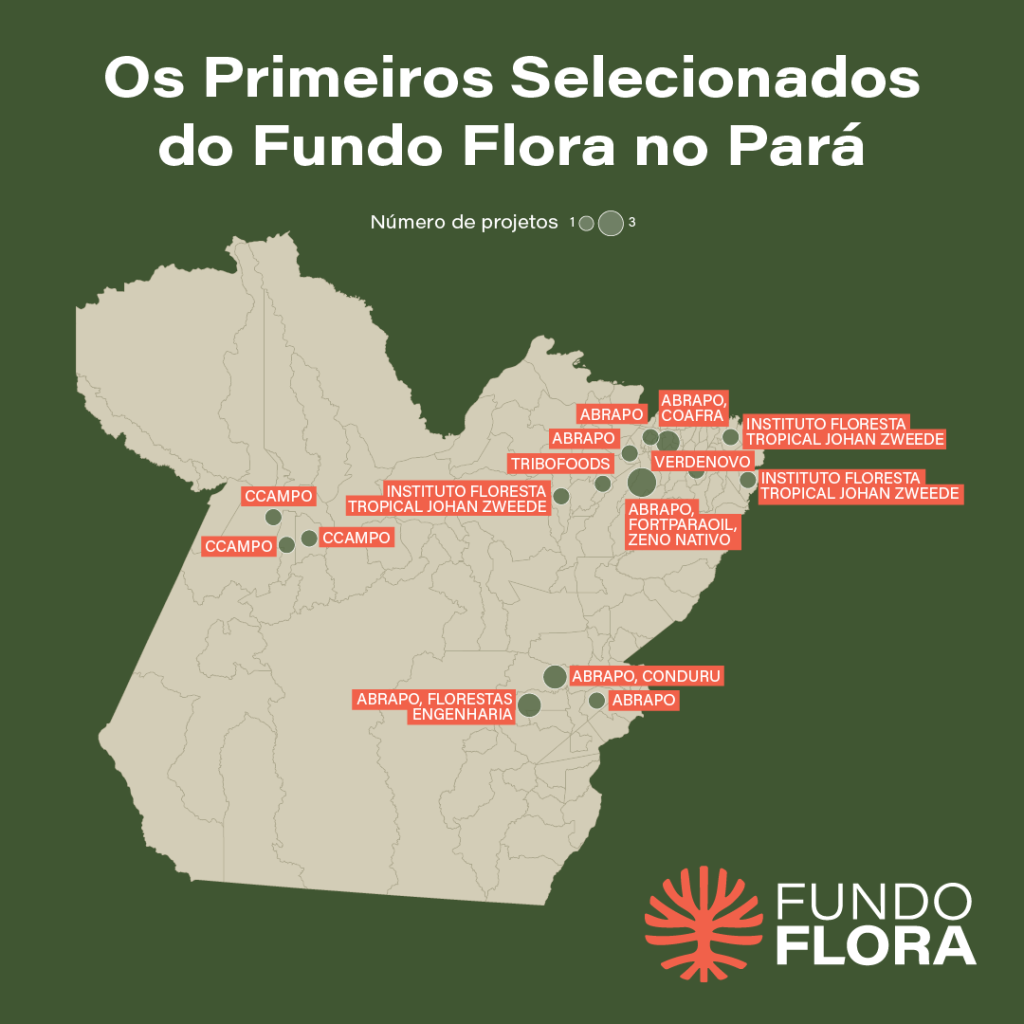
Discover the selected projects.
It plans to implement 1,000 hectares Through assisted natural regeneration, the initiative has established 2 Seed Supply Centers and 6 Collection Areas to supply 18 nurseries. The initiative combines large-scale restoration with community strengthening and training in management and association building, benefiting over a thousand people and generating 15 jobs.
Association founded by young people from settlements in southern and southeastern Pará. Aims to restore 40 hectares The project will restore land, benefiting more than 300 people. It will consolidate community nurseries and strengthen the restoration chain, focusing on women and rural youth, combining agroecological training and social inclusion.
Agricultural cooperative that will implement 15 hectares The project focuses on agroforestry systems, specifically the açaí and cupuaçu supply chain, as a replicable pilot project, promoting productive diversification, income generation, and youth retention in rural areas through the creation of new jobs. The project will benefit 160 people and generate 30 jobs.
The cooperative will implement 15 hectares of agroforestry systems, in addition to establishing a community nursery in partnership with a local school, benefiting more than a thousand people and generating 6 new jobs. The proposal includes training young people and women in seedling production techniques, agroforestry management, and entrepreneurship.
A company specializing in the implementation and management of reforestation projects in the Parauapebas region will benefit 240 people and generate 7 jobs through the supported project. Focused on transforming degraded landscapes into sustainable productive systems, the project foresees the implementation of a modular nursery with an initial capacity of... 500,000 seedlings per cycle and production potential of up to 4 million seedlings per year until 2030.
The Amazonian company will restore 305 hectares The project involves transforming degraded areas through assisted natural regeneration and agroforestry systems, benefiting over 300 people and generating 29 jobs. The project includes expanding the industrial infrastructure for processing vegetable oils and strengthening the local production chain, integrating environmental regeneration and income generation.
With three decades of experience in the Amazon, IFT will promote the restoration of 60 hectares, including the recovery of areas affected by forest fires. The proposal integrates technical training, sustainable management, and strengthening of the three partner cooperatives in the project, which represent family farmers and quilombola communities., benefiting 270 people and generating 30 jobs.
The company will implement 16 hectares To recover areas degraded by açaí monoculture, promoting productive diversification with cocoa, cupuaçu, Brazil nuts and other native species, connecting restoration and the consumer market. The project will benefit 226 people and generate 18 jobs.
It will restore 40 hectares Through assisted natural regeneration and no-till farming, engaging local cooperatives with a focus on women's participation, the project will benefit 250 people and generate 40 jobs. The project will also support the structuring of a community network of seed collectors, strengthening the supply of inputs for restoration and income generation for female leaders.
Will implement 37 hectares The project focuses on assisted natural regeneration and agroforestry, benefiting 120 people and generating 48 jobs. It will strengthen the Brazil nut and fine cocoa supply chain through traceability and fair income generation.
The Bezos Earth Fund, The Coca-Cola Foundation, and the AKO Foundation are the anchor donors to the Flora Fund. Learn more about the project here..