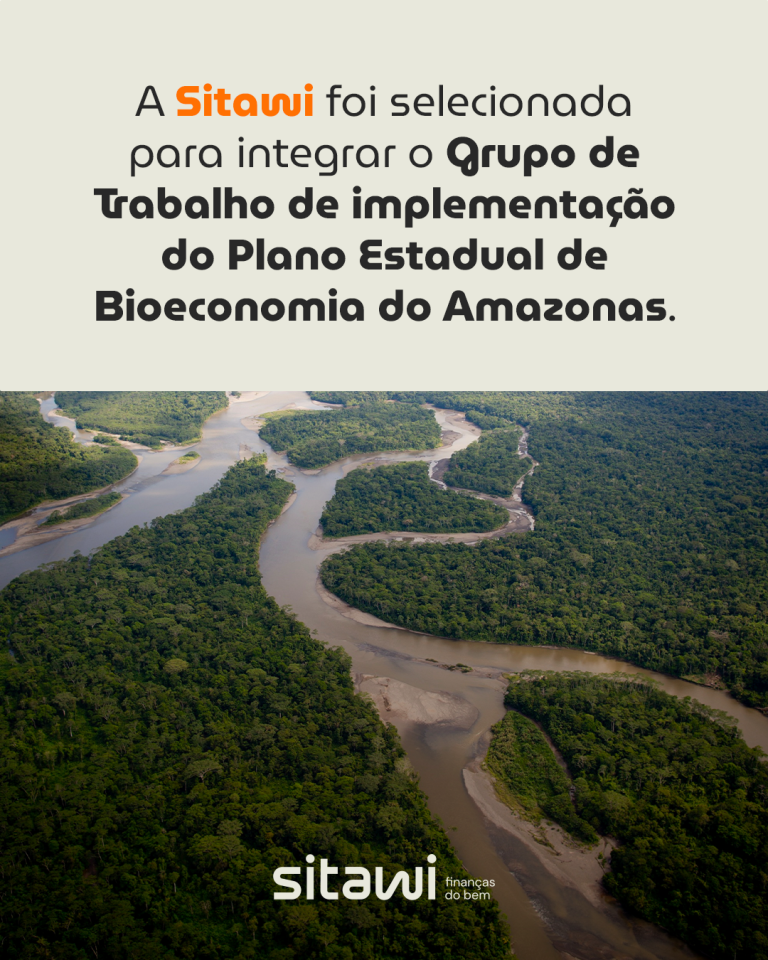
Do you know how we can combine biodiversity and economic development?
In this post you will find:
- Biodiversity and economic development
- Brazil: a treasure trove of biodiversity and economic opportunities
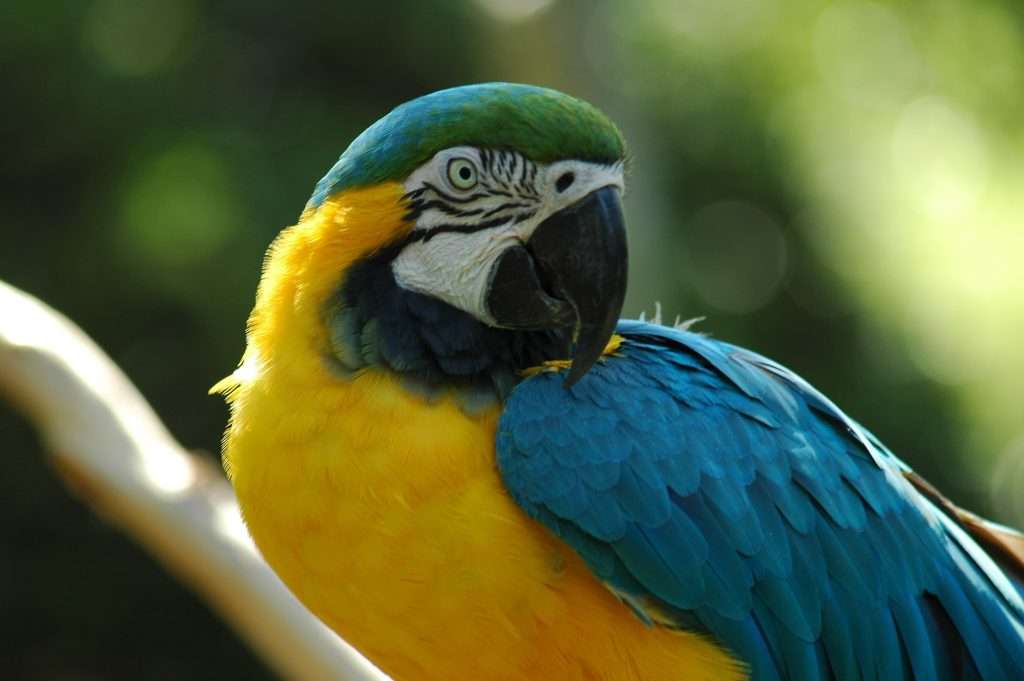
The global water loss crisis biodiversity made us understand that the natural resources are essential to guarantee our life on the planet. However, we still have difficulty understanding how environmental risks can generate significant economic losses.
For centuries, we have explored the natural resources in an uncontrolled manner, exceeding its capacity to provide essential goods and services. According to estimates from the Intergovernmental Science-Policy Platform on Biodiversity and Ecosystem Services (IPBES), of the 8 million animal and plant species estimated to live on Earth, around 1 million could disappear completely in the next few decades.
How can we continue to believe that this does not reflect on economy?
Biodiversity and economic development
If we stop to think, it is not difficult to see the synergies between the two areas. For example, the biodiversity It is the main source of resources for businesses such as tourism, cosmetics, pharmacies, food and much more.
Understanding this, we can understand how the unbridled exploitation of natural resources led companies to realize that raw materials are no longer infinite, and that increasing scarcity leads to a increase in production costs, which directly affects the economy. But which sectors of the economy are most closely related to biodiversity conservation?.
And we can go further: extreme weather events — which are intensified by the unbridled exploitation of biodiversity —, for example, cause even more significant economic losses, from damage to infrastructure to losses in agricultural production.
Putting it like this makes it much easier to understand, doesn't it?

Brazil: a treasure trove of biodiversity and economic opportunities
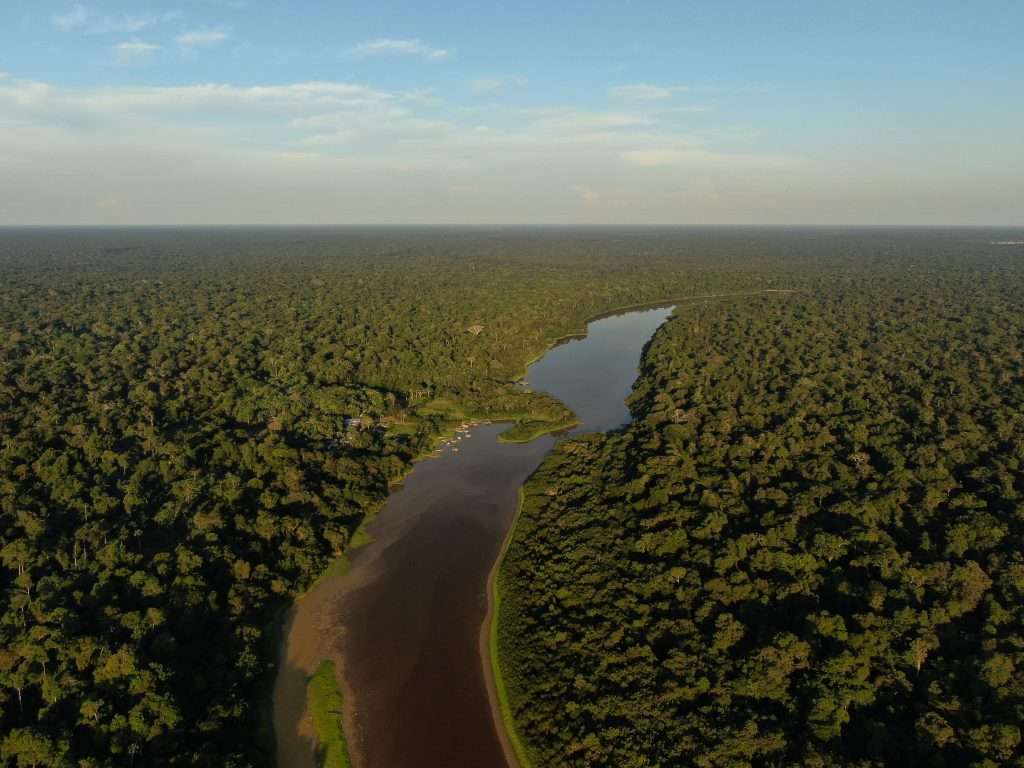
The Brazil has one of the largest natural heritage sites in the world, housing approximately 20% of biodiversity global and 12% of the planet's freshwater reserves.
In this way, our country is a fertile territory of possibilities to combine biodiversity and economic development. See some examples:
- Sustainable Tourism: Ecotourism can be promoted in areas of rich biodiversity, such as the Amazon, Pantanal and Atlantic Forest, attracting tourists looking for natural and sustainable experiences;
- Non-Timber Forest Products (NTFPs): the sustainable management of products such as nuts, açaí, seeds, medicinal plants and other natural resources can generate income and raw materials for the production of oils, medicines and much more, keeping the forest standing;
- Sustainable Agriculture and Agroforestry: integrating agricultural crops with native trees can increase productivity, improve soil quality and conserve biodiversity, in addition to avoiding problems with “pests” or “diseases”, eliminating the need to use poisons;
- Biotechnology: invest in research and development of pharmaceutical, cosmetic and agricultural products from genetic resources of biodiversity;
- Payments for Environmental Services (PES)implement PSA programs where landowners are rewarded for conservation practices that protect biodiversity and ecosystem services;
- Carbon Markets: participate in carbon markets through projects of Reducing Emissions from Deforestation and Forest Degradation (REDD+), promoting forest conservation as a way to reduce CO2 emissions.
This means that we can take advantage of this diversity to generate wealth, but it also means that to take advantage of all this potential, the first step is to invest in conservation and restoration.
Business leaders must recognize the economic value of the ecosystem, developing strategies to manage business risks and opportunities.
To the integrate the biodiversity to the business strategies, companies adopt sustainable practices and encourage the protection and recovery of ecosystems. And so, it is possible to build a sustainable future for nature and the economy.