A quarter of the land on our planet is traditionally owned, managed or occupied by indigenous peoples and local communities. Despite the ecological and climate crisis we have been facing for a few decades, these areas are still classified as protected or with very low human intervention. This is due to centuries of traditional sustainable knowledge and practices, with cooperation between society and nature.
Therefore, it would be logical to consider these peoples central to Discussions and solutions for biodiversity conservation.. However, despite being increasingly recognized, rarely is their knowledge taken into account and their representatives participate in decision-making in this regard.
Importance to society
Our current consumption and production patterns have already proven to be incompatible with the planet's capacity to provide resources and raw materials. The global ecological and climate system is entering a state of collapseTherefore, in recent years we have seen climate and environmental challenges rise in the debate of society.
The sustainable use of natural resources together with the practices and livelihoods of the indigenous peoples and local communities allowed them to live together in harmony with nature for thousands of years. specialists claim that governments should learn from the environmental examples given by these peoples. If nothing is done, we could further aggravate the environmental crisis that the world is facing due to climate change, loss of biodiversity and pollution.
Recognition
The International Labour Organization (ILO) seeks to ensure the respect for the cultures and ways of life of indigenous peoples and recognize their rights to land and natural resources, and to define their own priorities for development. Furthermore, the Brazilian Constitution also provides that its social and cultural organization, language, beliefs and traditions must be respected.
Following this line, the Cop 15 on Biological Diversity ended with a historic milestone: the explicit recognition of rights, territories and knowledge of the indigenous peoples and traditional communities as the most effective way to protect the biodiversity. In addition to including them throughout the entire process, decision making, strengthening their more harmonious relationships with nature.
This inclusion indicates that we are finally beginning to recognize the traditional knowledge that has protected our lands for so long and include it in political debates.

The role of organizations
Socio-environmental investments and finances play a very important role in the conservation and sustainable use of biodiversity. This is certainly a responsibility of all. so much the government as for philanthropy and the private sector need to join forces and resources to finance nature protection, so that it involves the indigenous peoples and local communities in these discussions and solutions.
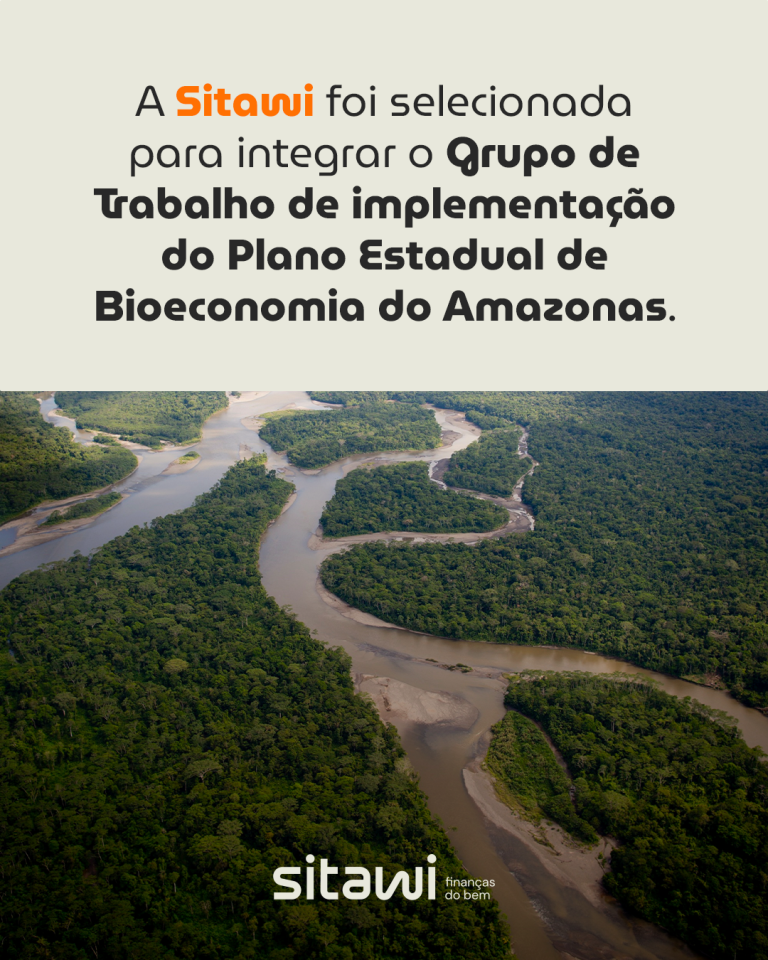
THE Sitawi, through its work with the Conservation and Climate Finance, has dedicated himself to develop financial solutions that conserve biodiversity and safeguard sustainable livelihoods, with the participation of indigenous peoples and local communities. Our Territorial Programs are designed and conducted through local participatory management, guaranteeing the institutional capacity building, a representativeness and the direct participation in decision-making.
And we are ready to weave new paths, partnerships and programs towards new opportunities for people and nature. Be part of this movement with Sitawi.
To find out how you can act to conserve biodiversity and the climate, download our mapping “Financial solutions for nature conservation“".